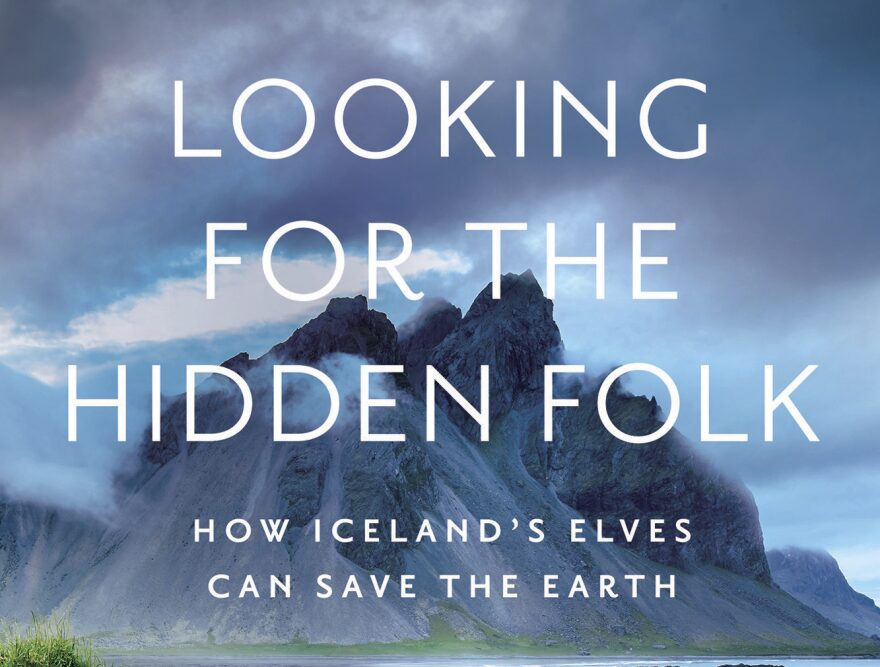
To walk through the Icelandic highlands is to enter a landscape that feels deeply alive. It is a place where the ground breathes steam, where basalt columns mimic the pipes of a cathedral, and where the line between “rock” and “resident” often blurs. It is here that Nancy Marie Brown finds the heartbeat of her narrative in Looking for the Hidden Folk: How Iceland’s Elves Can Save the Earth.
This is not a book about fairy tales or “little people” in green hats, as the title might suggest. Rather, it is a profound inquiry into how we perceive the world around us. In an era defined by the looming shadow of the climate crisis, Brown suggests that our survival might depend on our ability to see the world as the Icelanders do: as a place inhabited by “Hidden Folk” (huldufólk) who demand our respect.
“To see the hidden folk…is to see the world as it really is: a place where we are never truly alone, and where every action ripples through a web of life…”
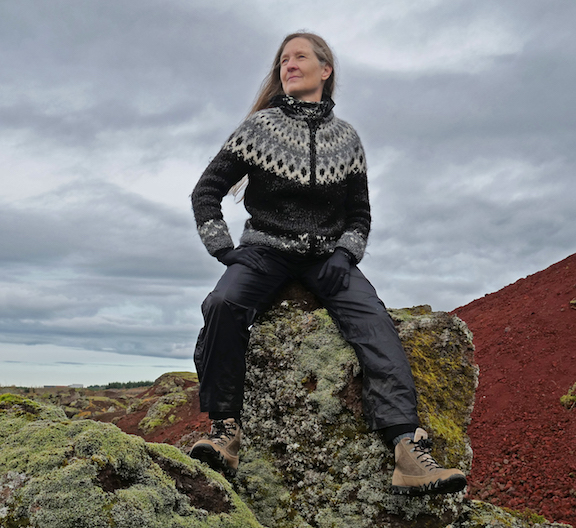
Nancy Marie Brown is not a casual observer of Icelandic culture. She is a seasoned scholar and the author of other acclaimed works like The Far Traveler and The Abacus and the Cross, and has spent decades translating the medieval Sagas and exploring the intersection of history, science, and myth. Much of her deep connection to the land comes from personal exploration. She has spent a great deal of time traveling the Icelandic interior on horseback, an experience she chronicled in her book A Good Horse Has No Color. Through these journeys, she moved beyond the academic to the experiential, learning the rhythms of the terrain firsthand.
“What we see depends on what we look for. If we look for ‘resources,’ we find a mine. If we look for ‘Hidden Folk,’ we find a home that must be protected.”
We treat the Earth as a collection of resources – tons of ore, gallons of water, board feet of timber. But in Iceland, Brown encountered a culture where a highway project might be rerouted to avoid disturbing an “elf rock.” Initially, a skeptic might laugh at this as superstition. Brown, however, invites us to look deeper. She wrote this book to argue that “believing” in elves isn’t about biology, but about ecology and ethics.
When an Icelander says an elf lives in a rock, they are essentially saying: This place has value beyond its mineral content. This place is part of a story. This place is alive.
We treat the Earth as a collection of resources – tons of ore, gallons of water, board feet of timber. But in Iceland, Brown encountered a culture where a highway project might be rerouted to avoid disturbing an “elf rock.” Initially, a skeptic might laugh at this as superstition. Brown, however, invites us to look deeper. She wrote this book to argue that “believing” in elves isn’t about biology, but about ecology and ethics.
When an Icelander says an elf lives in a rock, they are essentially saying: This place has value beyond its mineral content. This place is part of a story. This place is alive.
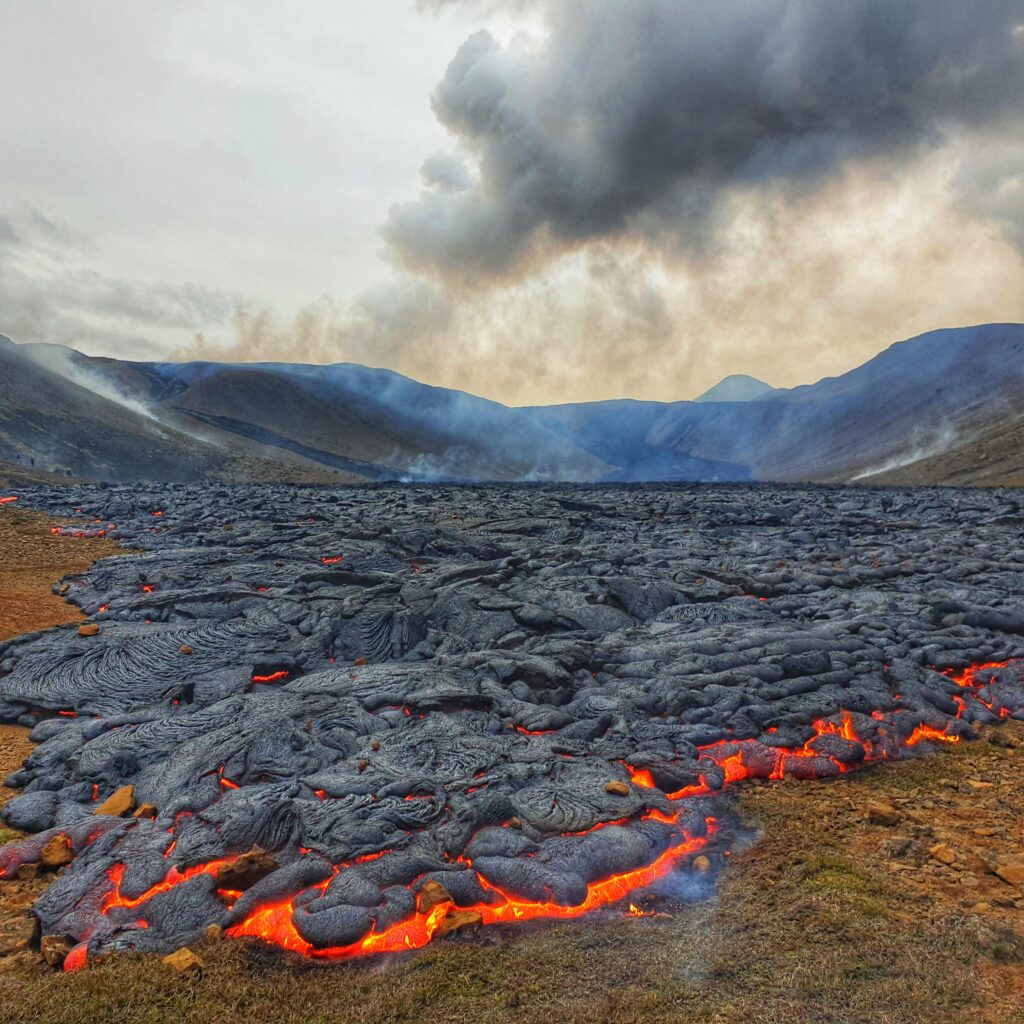
The “Hidden Folk” serve as a mirror for our own relationship with the environment. Brown eloquently describes how, if we view a forest or a mountain as “empty,” it becomes easy to destroy. But if we view that same space as “inhabited” – even by the invisible…we are forced to pause.
In the context of climate change, this shift in thinking is revolutionary. Brown argues that data and carbon-tax charts haven’t been enough to save the planet because they lack enchantment. We do not protect what we do not love, and we cannot love what we view as a dead object. Iceland suggests a different way of thinking by maintaining a sense of wonder. The book details how the Icelandic landscape is both fragile and fierce, reminding the readers that humans are not the masters of the Earth, but merely guests. By acknowledging the Hidden Folk, Icelanders acknowledge the limits of human knowledge and the rights of the non-human world to exist undisturbed.
“We are failing to save the Earth because we have forgotten how to talk to it. The Hidden Folk remind us that we are part of a conversation that has been going on long before we arrived.”
“We are failing to save the Earth because we have forgotten how to talk to it. The Hidden Folk remind us that we are part of a conversation that has been going on long before we arrived.”
At its heart, Looking for the Hidden Folk is a call to intellectual humility. Brown doesn’t ask us to literally believe in invisible beings…she just asks us to believe that the Earth is more complex than our current scientific tools can measure. As we face the tipping points of climate change, the “Icelandic way” offers a path forward. It suggests that if we can reenchant our relationship with nature…if we can learn to see the “hidden” value in every stone and stream…we might finally find the will to protect it.
This book is an easy read that challenges the reader to step outside the rational box and consider that perhaps the most “scientific” thing we can do for the planet is to start treating it as if it were alive and sacred.